
Can a Physical Disability Qualify for Adult Foster Care in Massachusetts?
A physical disability may support eligibility for Adult Foster Care in Massachusetts when it causes a person to need qualifying daily assistance with personal care. A diagnosis by itself does not establish eligibility. The assessment focuses on what the person needs help doing each day, how the caregiver assists, and whether all other MassHealth program requirements are met.

An eligible member generally must be a Massachusetts resident age 16 or older, have qualifying MassHealth coverage, live with a qualified caregiver, and need daily physical assistance or cueing and supervision with at least one qualifying activity of daily living. Eligibility and caregiver payment require assessment and MassHealth approval.
How Physical Impairments Relate to Eligibility
Physical impairments can affect strength, balance, coordination, endurance, range of motion, sensation, or the ability to transfer and walk safely. These limitations may make it difficult or unsafe to complete personal-care activities without another person’s help.
The clinical question is not simply, “What condition does the person have?” The assessment asks, “What assistance does the person require every day because of that condition?” Two people with the same diagnosis may have very different functional needs.
Which Daily Activities Are Considered?
The assessment may consider the need for daily physical assistance or cueing and supervision with activities such as:
- Bathing: entering or leaving a shower, maintaining balance, washing, or completing the task safely
- Dressing: putting clothing on or taking it off, managing fasteners, or using braces and other equipment
- Eating: using utensils, bringing food or drink to the mouth, or safely completing the eating process
- Toileting: transferring, managing clothing, completing hygiene, or safely getting to and from the toilet
- Walking and mobility: moving safely through the home, maintaining balance, or using an assistive device with another person’s help
- Transferring: moving between a bed, chair, wheelchair, toilet, or another surface
The person does not necessarily have to be completely unable to perform the activity. Assistance may involve hands-on help with part of the task or necessary cueing and supervision when the person cannot complete it safely. Learn more in our guide to Activities of Daily Living for Adult Foster Care in Massachusetts.
Physical Conditions That May Affect Daily Care Needs
Many conditions can affect a person’s ability to perform daily activities. Examples may include:
- Stroke or other neurological injury
- Spinal cord injury
- Multiple sclerosis
- Cerebral palsy
- Parkinson’s disease
- Arthritis or severe joint disease
- Amputation or limb difference
- Muscular dystrophy or other neuromuscular conditions
- Traumatic brain injury with physical limitations
- Chronic conditions that substantially affect strength, balance, coordination, or endurance
- Mobility limitations related to injury, surgery, or progressive illness
This list is not exhaustive, and none of these conditions automatically results in approval. A person may have a serious diagnosis but remain independent with personal care. Another person may have the same condition and require hands-on assistance several times each day.
Examples of Qualifying Physical Assistance
Families often provide so much daily help that they no longer recognize each task as assistance. Examples that may be relevant to the assessment include:
- Supporting the member’s weight while they stand from a bed or chair
- Using a gait belt and walking beside the member because of balance loss
- Lifting or guiding a leg into clothing
- Helping the member enter and leave the shower
- Washing areas the member cannot reach because of limited movement
- Helping manage clothing and hygiene during toileting
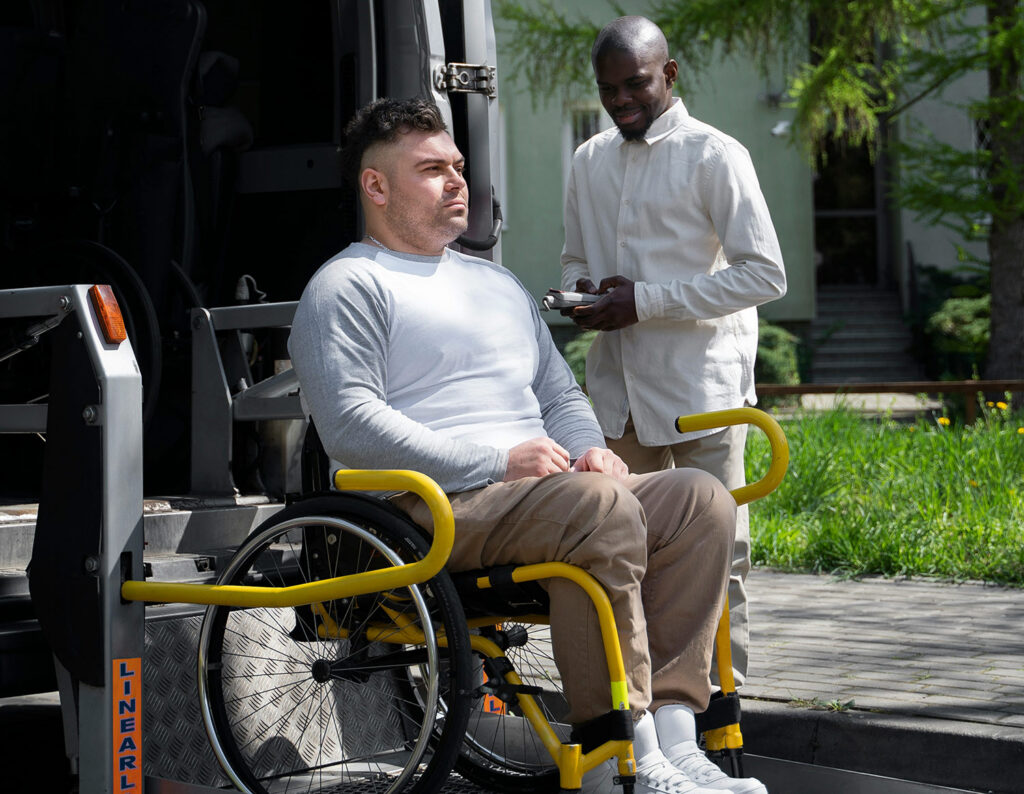
- Positioning a wheelchair and assisting with a safe transfer
- Opening containers, positioning utensils, or physically helping with eating
The nurse evaluates the type, frequency, and necessity of the assistance. An occasional favor is different from help that is required every day because of a functional impairment.
Do Canes, Walkers, or Wheelchairs Affect Eligibility?
Using an assistive device does not automatically qualify or disqualify someone. The assessment considers whether the device allows the person to complete an activity safely and independently or whether another person is still required.
For example, one person may walk safely with a walker without human assistance. Another person may use a walker but still need hands-on support because of weakness, poor balance, pain, or an unpredictable risk of falling. Families should describe what happens in real daily use rather than relying only on the name of the equipment.
Other Requirements Still Apply
Physical care needs are only one part of eligibility. The potential member generally must also:
- Be a Massachusetts resident age 16 or older
- Have eligible MassHealth coverage, generally MassHealth Standard or CommonHealth, subject to verification
- Live in the same qualified home as the caregiver
- Have a caregiver who is generally age 18 or older
- Meet the applicable caregiver-relationship rules
- Be able to receive care safely in the home setting with the approved supports
A spouse or court-appointed legal guardian cannot be the paid caregiver. A parent may be considered as the caregiver for an adult child age 18 or older, but cannot be paid through the program to care for a child under age 18. Review the complete guide on how to qualify for Adult Foster Care in Massachusetts.
How to Prepare for the Clinical Assessment
Before meeting with the nurse, write down the assistance provided during a typical day. Be specific about:
- Which personal-care activities require help
- What the caregiver physically does during each task
- How often the assistance is needed
- Whether needs change on better or worse days
- What assistive devices are used
- What safety risk exists without the caregiver’s help
- Whether pain, fatigue, weakness, balance, or range of motion affects the activity
Do not exaggerate the person’s limitations, but do not minimize assistance because it has become part of the family routine. Accurate examples help the assessment reflect the member’s actual needs.
Supporting Safety and Independence at Home
Caregivers can support independence by allowing the person to complete the parts of a task they can safely manage while assisting with the parts that require help. Keep frequently used items within reach, maintain clear walking paths, use prescribed mobility equipment correctly, and follow guidance from the member’s healthcare professionals.
Caregivers should not attempt transfers or lifting techniques they have not been trained to perform safely. Report meaningful changes in mobility, pain, strength, skin condition, falls, or the ability to complete daily care to the appropriate healthcare professional and care team.
Can a Family Caregiver Receive Payment?
Potentially. An eligible caregiver may receive up to $1,520 per month, based on need and MassHealth approval. The actual amount is determined through the assessment and authorization process. Learn more about getting paid to care for a parent in Massachusetts.
Find Out Whether Your Family May Qualify
If you provide daily physical assistance to a family member or friend, complete the Mass Care Link prequalification form. Our intake team can review the person’s MassHealth coverage, living arrangement, caregiver relationship, and daily care needs and explain the next steps.
You may also call 866-880-8889. Eligibility and caregiver payment require assessment and MassHealth approval.
Official Sources
This article provides general educational information. Eligibility, caregiver approval, payment, and authorization depend on current requirements and individual circumstances.