
Stretching Your Food Dollar: How Massachusetts Seniors and Family Caregivers Can Save on Groceries
Around one in three adults aged 60 – 69 in Massachusetts experience food insecurity, meaning they lack reliable access to sufficient, affordable, and nutritious food. These numbers are likely to increase as food costs increase across the country. The Consumer Price Index (CPI) for all food increased 0.5 percent from March 2026 to April 2026. And food prices in April were already 3.2 percent higher than the same month the previous year.
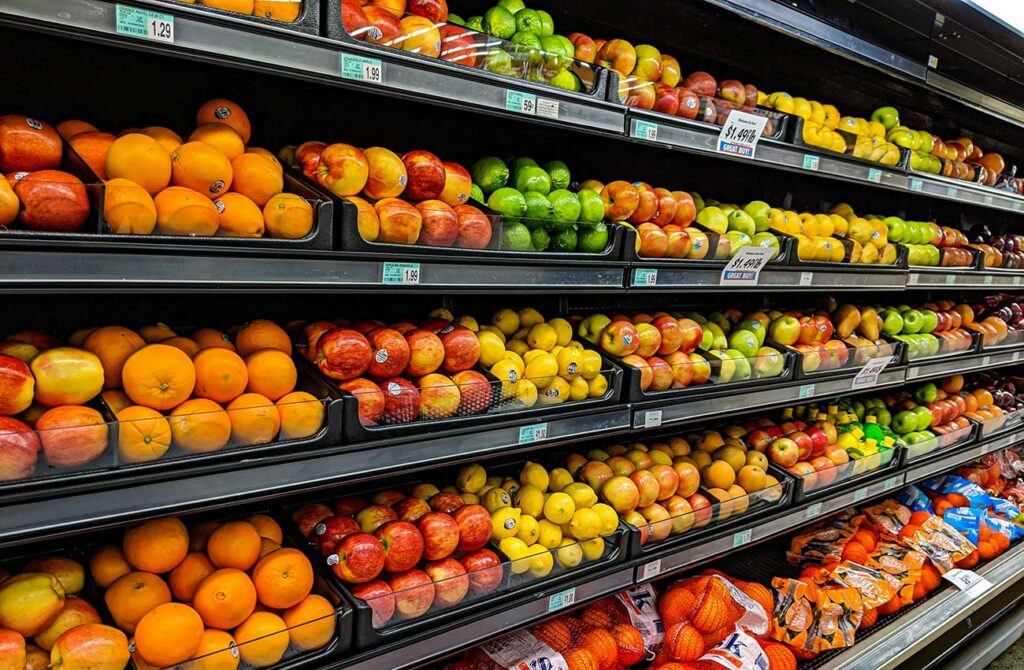
Forecasts indicate the trend will continue with food prices continuing to increase by more than three percent in 2026. “There are multiple factors driving increases in food prices,” David Ortega, a food economist at Michigan State University, told Newsweek. “But climate change—and in particular drought—is one of them, and these pressures are compounding each other.”
The good news is that there are several practical ways to reduce grocery expenses without sacrificing nutrition. With thoughtful meal planning, smart shopping strategies, affordable protein choices, and community resources available throughout Massachusetts, seniors and their caregivers can stretch their food budgets while continuing to enjoy healthy, satisfying meals.
In this article, we’ll reveal strategies for saving at the checkout or receiving assistance with rising food costs including:
- Weekly meal planning
- Affordable protein sources
- Cutting down on high-cost items
- Using leftovers for additional meal ideas
- Senior nutrition programs in Massachusetts
- Community food banks
Planning is Key: Start with a Weekly Meal Plan
One of the easiest ways to save money on groceries is to plan meals before going to the store. Without a plan, it’s easy to buy items that aren’t needed or to make multiple shopping trips throughout the week. Planning ahead also makes it easier to make healthy meals at home instead of resorting to expensive, and often unhealthy take-out.
Start by looking at what is already in your refrigerator, freezer, and pantry. Then create a simple menu for the week that uses those ingredients first. Planning meals around sale items and seasonal produce can also help reduce costs.
When creating a meal plan:
- Double up: Choose recipes that use some of the same ingredients to minimize waste.
- Plan ahead: Schedule meals that can provide leftovers for lunch the next day.
- Freeze, please!: Prepare larger batches of soups, stews, casseroles, or chili that can be frozen for future meals.
- Stay focused: Keep a grocery list and stick to it while shopping.
“To make the most of your grocery savings, try planning your meals around your store’s weekly sales flyer,” suggests the National Council on Aging. “It’s also a good idea to stock up on the staples you use most often when the price is right.” Remember, consistency is key. Even small changes in planning can add up to significant savings over time.

Meet your Meat Alternatives: Explore Affordable Sources of Protein
Protein is an important part of a healthy diet, especially for older adults who want to maintain muscle strength and overall health. However, meat is often one of the most expensive items in a grocery cart. Fortunately, there are many nutritious and affordable alternatives.
Budget-friendly protein options include:
- Eggs
- Beans and lentils
- Peanut butter and other nut butters
- Canned tuna or salmon
- Greek yogurt
- Cottage cheese
- Tofu
- Frozen fish
- Rotisserie chicken, which can be used for multiple meals
Meals such as bean soups, lentil stews, vegetable chili, egg-based dishes, and tuna casseroles can provide excellent nutrition at a fraction of the cost of many meat-centered meals.
Cut the Fat: Reduce High-Cost Grocery Items
Many households spend more than they realize on convenience foods and specialty products. While these items can be helpful occasionally, they often cost substantially more than basic ingredients.
Consider reducing purchases of:
- Pre-cut fruits and vegetables
- Individual snack packs
- Single-serving beverages
- Prepared meals
- Premium brand-name products
- Specialty desserts and baked goods
Instead, purchase whole fruits and vegetables, store brands, and larger package sizes when practical. Generic and store-brand products often provide similar quality at a lower price.
Frozen fruits and vegetables can also be an excellent value. They are nutritious, convenient, and less likely to spoil before they are used.
Don’t Overlook Leftovers: Cook Extra to Save Time & Money
Food waste can quickly increase grocery costs. According to the U.S. Department of Agriculture, many households throw away food simply because it wasn’t used in time. Using leftovers creatively can help stretch both food and dollars.
For example:
- Roast chicken can add savory protein to fajitas, soup, or sandwiches.
- Extra vegetables can be added to pasta, omelets or soups.
- Leftover rice makes great stir-fries..
- Stale bread can find fresh life as French toast, stuffing, or breadcrumbs.
Freezing extra portions can also provide ready-made meals for busy caregiving days.
Massachusetts Programs to Help Hungry Seniors
Massachusetts offers extensive food access and meal programs for older adults, including the statewide Senior Nutrition Program, home-delivered Meals on Wheels, and regional food banks. Eligibility generally begins at age 60, with many services offered for free or low cost regardless of income. Local Aging Services Access Points (ASAPs) and Councils on Aging can help seniors and caregivers identify programs available in their communities.
The Senior Nutrition Program provides older adults with healthy and nutritious home-delivered and community group meals. Community meals are regularly available at senior centers, Councils on Aging, community centers, faith-based organizations, senior housing, and other locations.
Meals on Wheels delivers hot or frozen meals directly to the homes of homebound seniors, often accompanied by daily wellness checks. Many Massachusetts communities offer home delivery programs through local aging services organizations. These programs can help reduce grocery expenses while ensuring that older adults receive balanced meals on a regular basis.
How to Apply: Contact your local Aging Services Access Point (ASAP) or local Council on Aging (COA) to determine your eligibility and apply for home delivery. You can also find your local office by calling MassOptions at 1-800-243-4636.
Bank on Supplemental Services: Utilize Food Banks and Community Food Programs
Food assistance is available to many Massachusetts residents, including older adults and family caregivers facing financial challenges. Community food resources may include:
- Local food banks
- Food pantries
- Senior food distribution programs
- Congregate meal sites
- Mobile food markets
- Supplemental Nutrition Assistance Program (SNAP) benefits
Many people are surprised to learn that they qualify for assistance programs even if they have modest retirement income or Social Security benefits. These resources are designed to help individuals maintain access to healthy food while managing household expenses.
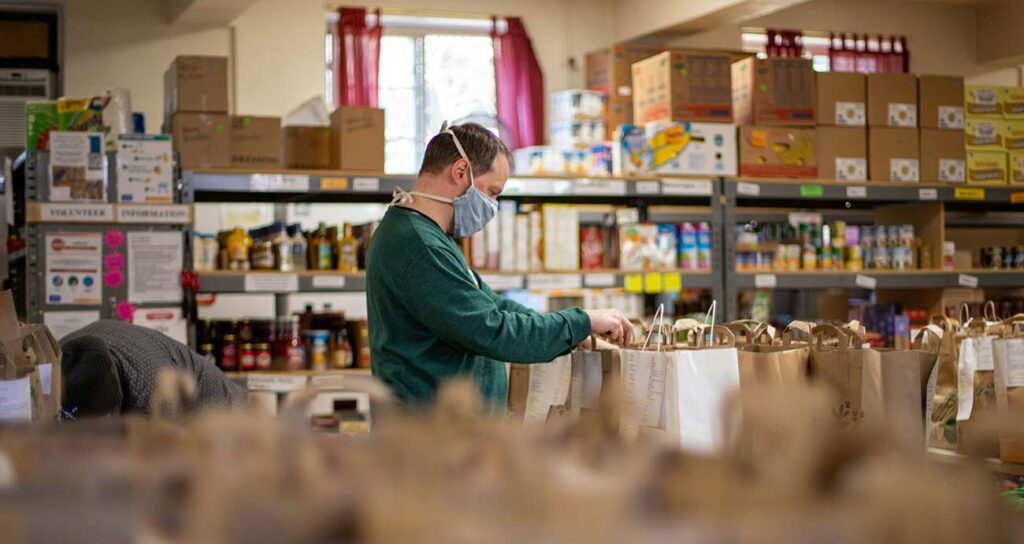
Major food banks across Massachusetts distribute food directly to older adults through pantries, mobile markets, and specialized delivery programs.
- The Greater Boston Food Bank (GBFB): The largest hunger-relief organization in New England. They operate the Commodity Supplemental Food Program (CSFP / Brown Bag Program), which provides eligible seniors with monthly bags of shelf-stable groceries.
- Fall River Food Pantry: This Southcoast location offers free groceries and operates like a store setting, accessible to anyone at no cost.
- Worcester County Food Bank (Central MA): Offers an extensive network of pantries and meal programs tailored for seniors. Find locations using their WCFB Food Finder.
- Food Bank of Western Massachusetts: Runs the Brown Bag: Food for Elders program, providing eligible individuals over 55 with a free bag of groceries monthly.
- Merrimack Valley Food Bank (Northeastern MA): Supports senior pantries and the “We Share a Common Thread” foundation.
Specialized & Emergency Assistance
- Project Bread FoodSource Hotline: A statewide, multilingual hotline (1-800-645-8333) that helps seniors immediately locate food resources and assists with SNAP benefit applications.
- MassHealth Support: If you are a MassHealth member, your Accountable Care Organization (ACO) may offer free medically tailored meals or other food supports as part of your health coverage.
Small Changes Can Lead to Meaningful Savings
Managing grocery expenses is an important part of maintaining financial stability for seniors and family caregivers. Through meal planning, choosing lower-cost protein sources, reducing unnecessary food purchases, and utilizing community resources, households can significantly lower their monthly food costs.
Massachusetts offers a variety of programs and services designed to support older adults and their caregivers. Taking advantage of these resources can help families save money while ensuring that everyone continues to enjoy nutritious, healthy meals. With a little planning and the right support, eating well on a budget is possible.
Looking for more info on healthy eating and nutrition for caregivers and seniors? Check out the Resources section of our website.